Your Skin Is Not Just Aging — It Is Changing: What Happens to Your Skin Over Time

A deeper look at pigmentation, texture, skin irregularities, the skin barrier, healing, and facial changes.

When we look in the mirror and notice a new brown spot, a skin tag, milia, rough texture, dryness, or a change in facial definition, it is easy to think, “My skin is just aging.”
But skin aging is not one single process.
Your skin is changing on several levels at once.
Its structure, barrier function, pigmentation, texture, elasticity, and ability to recover can all change over time. Understanding these changes is important because different concerns may require completely different approaches.
At Cantik Esthetics Skin Care in Surrey, BC, this is why skin is never approached with a one-size-fits-all treatment philosophy.
Your Skin Has Its Own Story
Every person's skin changes differently.
Age, genetics, sun exposure, hormones, lifestyle, environment, previous skin concerns, and everyday habits can all influence how the skin looks and behaves.
Two people of the same age can have completely different skin concerns.
One may be primarily concerned with pigmentation.
Another may notice dryness and sensitivity. Skin changes with age
Someone else may be bothered by skin tags, milia, keratoses, or changes in facial contour.
The concern may look simple on the surface, but understanding the skin behind it matters.
1. Your Skin Barrier Changes-Skin changes with age
The outermost layer of your skin plays an important role in helping maintain hydration and protecting the skin from environmental stressors.
As skin changes over time, it may become drier, feel less resilient, or become more sensitive to products and treatments.
This is one reason why professional skin care should not always be about doing more.
Sometimes the better approach is to support the skin barrier first.
Healthy-looking skin is not simply about removing imperfections. It is also about maintaining the skin's ability to function well.
2. Collagen, Elasticity & Firmness Change
Collagen and elastin are important components of the skin's structure.
Over time, changes in these structural components can contribute to the appearance of fine lines, loss of firmness, and changes in facial definition.
This is also why facial aging is not simply about wrinkles.
The face can change in shape, contour, and appearance over time.
Skin quality and facial structure are connected to the overall appearance of the face, but they are not the same concern and should not automatically be treated the same way.
3. Pigmentation Can Become More Noticeable
Brown spots and uneven pigmentation are common concerns as skin changes over time.
Sun exposure is an important factor, but pigmentation is not always as simple as saying, “It's just sun damage.”
Different types of pigmentation can have different contributing factors, and some pigmentation concerns can be particularly persistent.
This is why identifying the nature of the concern before choosing a treatment matters.
A brown spot should not automatically be treated simply because it is brown.
If a spot is new, changing, unusual, or concerning, it should be assessed by an appropriate medical professional rather than cosmetically treated.
4. New Skin Irregularities Can Appear
As we move through life, we may notice new or more visible skin irregularities.
These can include concerns such as:
Skin tags
Milia
Seborrheic keratoses
Cherry angiomas
Fordyce spots
Certain brown spots
Other benign cosmetic skin irregularities

These concerns are not all the same.
They differ in appearance, structure, location, and treatment considerations.
This is why “removing a skin bump” is not one universal procedure.
At Cantik Esthetics, treatment suitability is considered individually, and only appropriate benign cosmetic concerns are treated within the scope of esthetic practice.
Moles, cysts, suspicious lesions, or changing skin concerns are not treated cosmetically and should be assessed by an appropriate medical professional.
5. Your Skin's Healing Response Matters
Another important part of skin correction is what happens after a treatment.
Skin needs time to recover.
The appearance of redness, swelling, sensitivity, or other temporary changes can vary depending on the individual, the area treated, and the extent of treatment.
This is why precision and appropriate aftercare matter.
A treatment is not finished simply because the appointment is over.
Understanding what the skin needs during recovery is part of responsible treatment planning.
6. Your Face Changes in More Than One Dimension
Facial aging isn't only about the surface of the skin.
Over time, changes in skin elasticity, soft tissue, muscle activity, and facial structure can influence the appearance of facial contours.
This is one reason why some people are less concerned about wrinkles and more concerned about definition, lifting, contour, or facial balance.
At Cantik Esthetics, Facial Sculpting takes a different approach from corrective skin treatments. The goal is to work with the appearance of facial contours through non-invasive techniques, including specialized facial and buccal massage.
Skin correction and facial sculpting are different goals — and they deserve different approaches.
7. Why One Treatment Cannot Correct Every Skin Concern
This is one of the most important things to understand about professional skin care.
A skin tag is not the same as milia.
Milia are not the same as seborrheic keratoses.
A brown spot is not automatically the same as another brown spot.
Loss of facial definition is not the same as a surface skin concern.
Different concerns require different thinking.
At Cantik Esthetics, treatment planning considers the appearance and characteristics of the concern, its size and location, the number of areas being treated, complexity, individual comfort, and appropriate aftercare.
The goal isn't to choose the most aggressive treatment.
The goal is to choose an appropriate treatment for the concern.
8. Sometimes the Most Professional Answer Is “Don't Treat It”
This may be one of the most important differences between responsible skin correction and simply wanting to remove every visible imperfection.
Not every spot, bump, growth, or change should be cosmetically treated.
If something is suspicious, changing, bleeding, unusually pigmented, or otherwise concerning, cosmetic treatment is not the appropriate first step.
Knowing when not to treat is part of professional judgment.
At Cantik Esthetics, concerns outside the scope of esthetic treatment are referred for appropriate medical assessment.
The Cantik Approach: Look at the Skin, Not Just the Concern
Professional skin care should go beyond asking:
“What can we remove?”
A better question is:
“What are we looking at, is it appropriate to treat, and what approach makes sense for this individual?”
That is the foundation of a precision-based approach to skin correction.
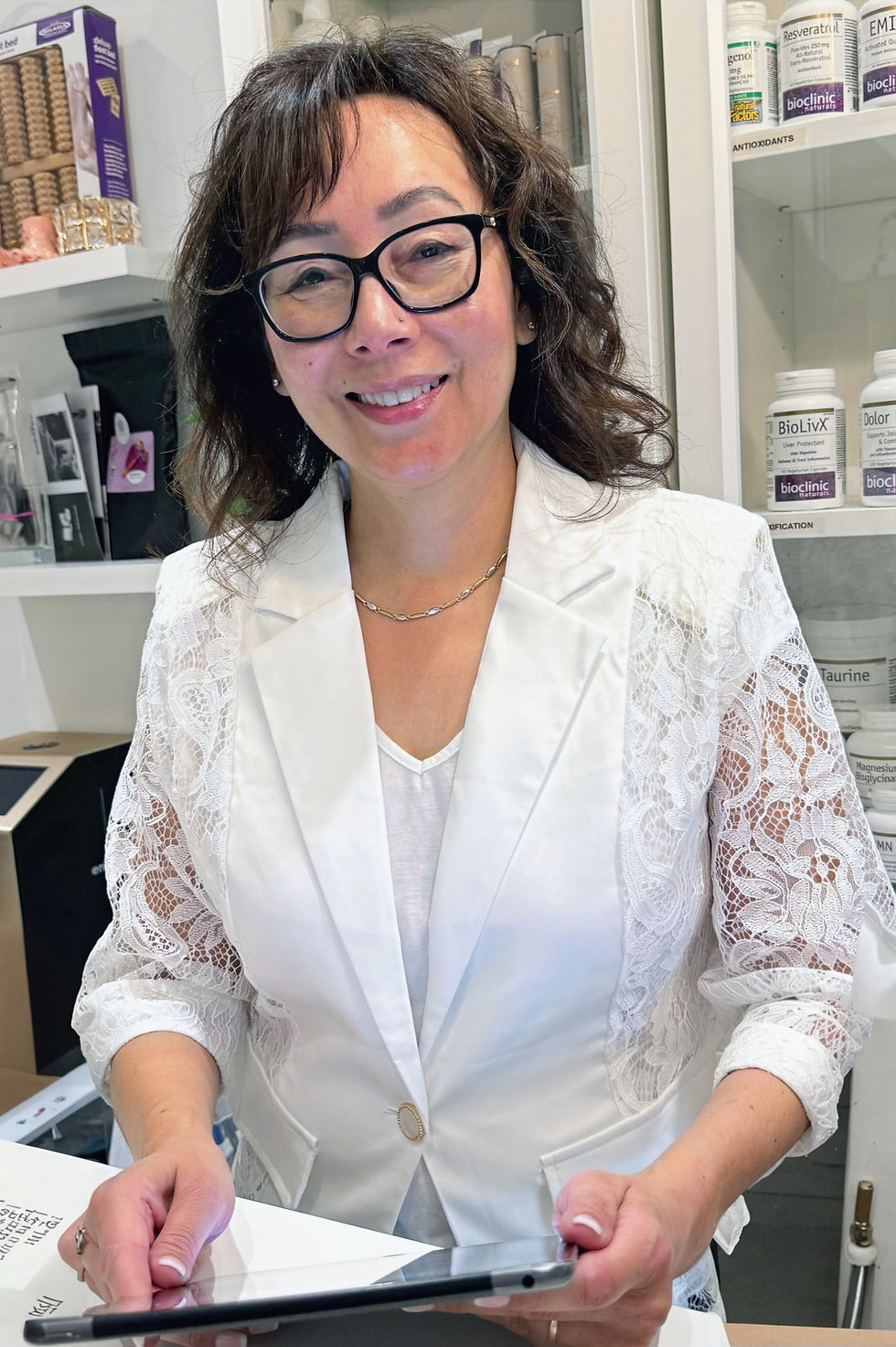
With more than 25 years in professional esthetics, Liza James personally performs treatments at Cantik Esthetics Skin Care in Surrey, BC, combining experience, individualized treatment planning, precision technique, and a holistic esthetic approach.
Your Skin Doesn't Need More. It Needs the Right Approach.
Your skin will continue to change throughout your life.
The goal isn't to fight every change or chase perfection.
It is to understand your skin, recognize what is appropriate to address, and choose treatments thoughtfully when treatment is appropriate.
Precision. Experience. Individualized Care.
That is the Cantik approach to skin correction.
Important Note
Cantik Esthetics provides cosmetic esthetic treatments for appropriate benign skin irregularities. This educational article is not intended to diagnose medical conditions. New, changing, suspicious, or concerning lesions should be evaluated by an appropriate medical professional.


Comments